Witchcraft ✦ 6 min read ✦ Contains affiliate links
August 1st. The air is still warm, summer isn’t technically over, and yet — something has shifted. The light is different. The days are imperceptibly shorter. And if you’re paying attention, you can feel it: the year is beginning its slow, quiet turn toward the dark.
Welcome to Lammas. The first harvest. The sabbat nobody talks about as much as Samhain but absolutely should.
What Is Lammas?
Lammas — also called Lughnasadh (pronounced LOO-nah-sah) — is one of the eight sabbats on the Wheel of the Year, celebrated on August 1st. It marks the first of three harvest festivals, specifically the grain harvest.
The name Lammas comes from the Old English hlāf māesse — “loaf mass.” The first grain of the season was baked into bread and offered as thanks. Practical, sacred, and delicious. Very much the vibe.
Lughnasadh is the older, Celtic name, named for the Irish god Lugh — solar deity, master craftsman, warrior, poet. According to myth, Lugh created this festival to honor his foster mother Tailtiu, who died clearing the land for agriculture. She literally gave her life so the earth could be farmed. The harvest festival is, at its root, an act of remembrance and gratitude.
The two names are used interchangeably in modern practice. Use whichever one feels right to you. Both point to the same thing: you reap what you have sown.
The Folklore
Ancient Lughnasadh celebrations were not subtle. Think: athletic competitions, horse races, feasting, music, storytelling, handfasting ceremonies, and bonfires on hilltops. Communities gathered for what amounted to a sacred county fair — work hard all year, then celebrate properly.
One of the most enduring traditions was the corn dolly — a figure woven from the last sheaf of grain harvested. The spirit of the grain was believed to live in the last cut, so it was carefully preserved in the dolly to carry the harvest’s energy through winter and into the next planting season.
In Anglo-Saxon England, Lammas bread was baked from the first grain and brought to church — but also used for folk magic. According to old charm books, a Lammas loaf broken into four pieces and placed in the four corners of the barn protected the grain stored there. Practical witchcraft, basically.
Shakespeare even mentions it. In Romeo and Juliet, Juliet’s birthday is placed on “Lammas Eve” — a casual calendar reference that tells us Lammas was as familiar to Elizabethan audiences as Christmas.
The Spiritual Meaning of Lammas
Lammas is the sabbat of visible results. Whatever you planted — literally or metaphorically — at Imbolc and Ostara, whatever you tended through Beltane and Litha — this is where you see what grew.
That’s exciting. It’s also sometimes uncomfortable.
Because Lammas doesn’t let you pretend. The harvest is what it is. You can’t negotiate with grain.
The energy this sabbat carries:
- Gratitude — for what has actually grown, not what you hoped would
- First fruits — celebrating early wins before the season is over
- Skill and craft — Lugh’s domain; honoring what you’re genuinely good at
- Release — the grain must be cut to be useful; what are you ready to let go of?
- Transition — one foot still in summer, one foot beginning to turn toward autumn
Simple Lammas Rituals
Bake bread
You don’t need to be a baker. Buy a loaf, warm it in the oven, tear it apart by hand and share it with someone. That’s it. That’s the ritual. The sharing is the point.
Gratitude harvest list
Write down everything you have grown, built, or achieved since the winter. Don’t be modest. This is your harvest — claim it.
Intention candle
Light a gold or amber candle and name what you still want to harvest before the year turns dark. Lammas is the first harvest, not the last — there’s still time.
First fruits offering
Buy something seasonal — sunflowers, corn, fresh bread, peaches — and place it on your altar or windowsill as an acknowledgment that the earth provided.
Release ritual
Write down what you’re done carrying. What hasn’t grown this season despite your effort. Burn it if you can, or bury it in the garden. The harvest requires cutting. Let something go.
What to Work With This Lammas
- Crystals: Citrine, carnelian, amber, tiger’s eye, peridot
- Herbs: Meadowsweet, calendula, chamomile, lavender, sunflower
- Colours: Gold, amber, burnt orange, wheat yellow, forest green
- Foods: Bread, corn, wheat, sunflower seeds, peaches, blackberries, honey
- Element: Fire and Earth
A simple Lammas altar: a gold or amber pillar candle, citrine crystals, a handful of dried sunflowers, and whatever seasonal fruit or grain you have on hand.
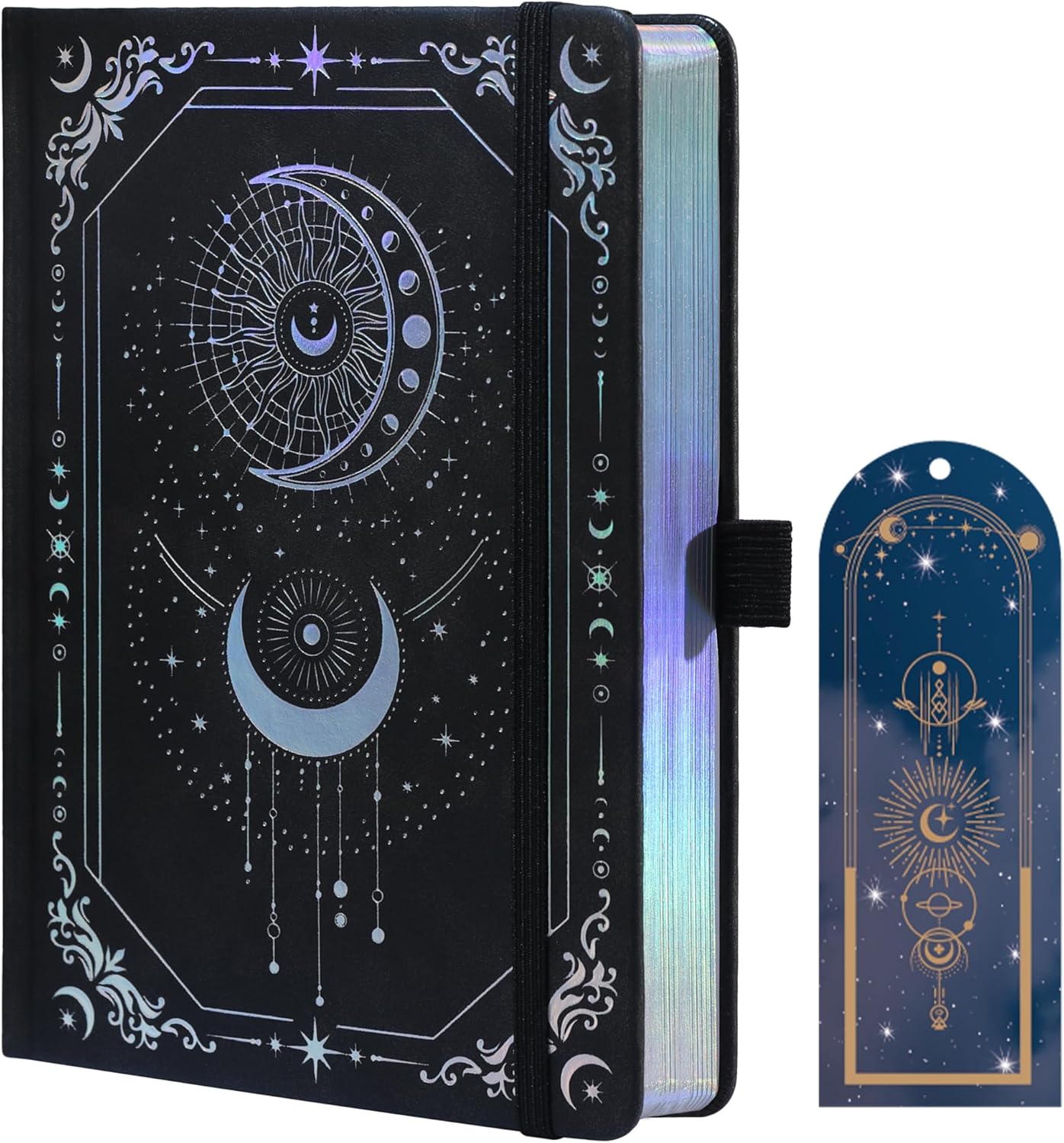
Lammas Journal Prompts
Pull these out on the evening of July 31st or August 1st:
- What have I genuinely grown or built this year that deserves celebration?
- What did I plant that didn’t grow — and what does that teach me?
- What am I grateful for that I haven’t properly acknowledged yet?
- What am I ready to cut loose before autumn arrives?
- What skill or craft have I been neglecting that Lugh would tell me to take seriously?
- What does my first harvest look like — and is it enough?
- What do I still want to harvest before the year turns dark?
A Note on the Timing
Lammas sits exactly halfway between Litha (June 21) and Mabon (September 22). Summer is still here, technically. But the wheel is turning. After Lammas come two more harvest festivals — Mabon in September and Samhain in October — each one drawing deeper into the dark.
This is the moment to look at what you’ve built and say: this is real, this happened, I did this. Before the retrospective energy of autumn sets in.
Harvest it now. The grain won’t wait.
Save this for your Lammas practice and check back for the Sturgeon Moon in August — it carries some interesting energy around hidden abundance.